
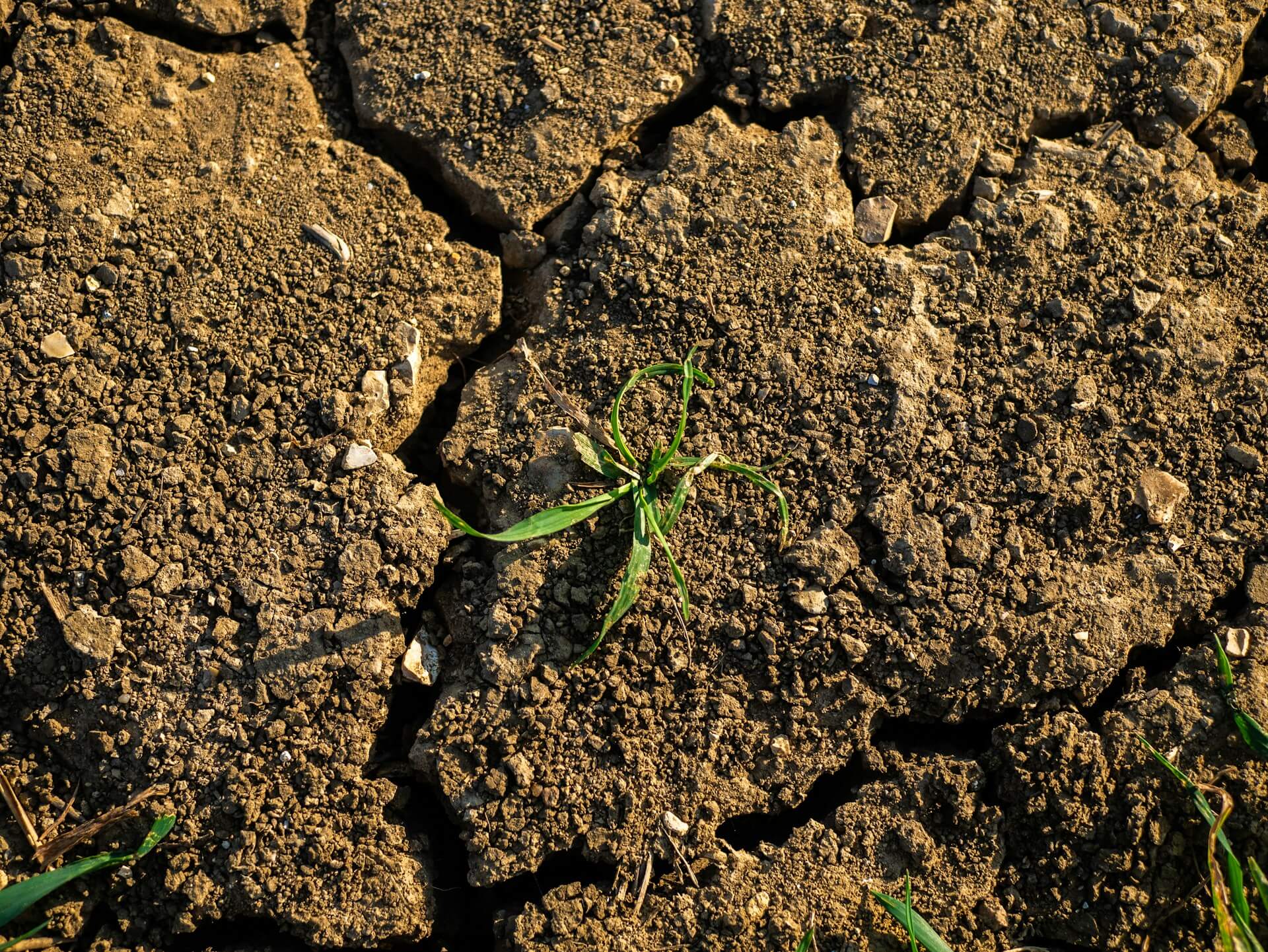
Dehydration creeps up silently, affecting millions worldwide—especially in Botswana’s and Africa’s arid climate where high temperatures and low humidity accelerate fluid loss. It’s not just about feeling thirsty; even mild dehydration (losing 1-2% of body water) can impair physical and mental function. At Aquablu, sourced from Botswana’s crystal-clear aquifers, we emphasize prevention through pure, mineral-enriched hydration. This post explores key signs to watch for and smart habits to stay ahead. Drawing from health experts, let’s arm you with knowledge to keep dehydration at bay and thrive daily.
Sign 1: Persistent Thirst and Dry Mouth
The most obvious red flag, but often ignored until severe. Thirst signals your body’s cry for fluids after already losing 1-2% water weight. In dry regions like Botswana, this hits faster— a study in the African Journal of Primary Health Care & Family Medicine on rural communities found thirst underestimated dehydration in 40% of cases. Prevention: Don’t wait; sip Aquablu regularly. Its subtle mineral taste encourages consistent intake without overwhelming sweetness.
Sign 2: Dark Urine and Reduced Output
Healthy urine should be pale yellow, like light straw. Dark amber means concentrated waste, indicating dehydration. The South African Medical Journal reports this as a common early marker in heat-exposed workers, reducing kidney efficiency. Smart habit: Check first morning urine and aim for 1.5-2 liters output daily. Carry a reusable Aquablu bottle—track intake with markings for easy monitoring.
Sign 3: Fatigue and Irritability
Feeling unusually tired or snappy? Dehydration reduces blood volume, starving muscles and brain of oxygen. Research from the Journal of Nutrition links it to a 20% energy dip. In Botswana’s bustling workplaces, this mimics stress—prevent by hydrating preemptively. Pro tip: Start your day with 500ml of Aquablu upon waking; its natural electrolytes like magnesium combat mood swings better than plain water.
Sign 4: Headaches and Dizziness
Blood vessels constrict without enough fluid, triggering headaches. A Headache journal study on African migrants noted dehydration as a top cause in hot climates. Dizziness follows from low blood pressure. Prevention: Set phone reminders for hourly sips. Infuse Aquablu with local morula fruit for variety—flavor boosts compliance, ensuring steady hydration without caffeine crashes.
Sign 5: Dry Skin and Lips
Skin loses elasticity, feeling tight or flaky. Pinch the back of your hand—if it doesn’t snap back quickly, you’re dehydrated. Dermatologists in Clinical, Cosmetic and Investigational Dermatology highlight this in sun-exposed areas like Botswana. Smart habit: Apply moisturizer internally with Aquablu’s hydrating minerals; drink 2-3 liters daily, adjusted for activity, to maintain skin’s moisture barrier naturally.
Sign 6: Muscle Cramps and Weakness
Electrolyte imbalance from fluid loss causes cramps, especially post-exercise. The African Journal of Sports Medicine observed this in athletes during dry seasons, cutting performance by 10%. Prevention: Replenish with Aquablu’s balanced potassium and sodium—post-workout, pair with a banana. Build a habit: Hydrate before, during, and after activity, aiming for 500ml per hour in heat.
Sign 7: Rapid Heartbeat and Breathing
Your heart works harder to pump thicker blood, spiking pulse. In severe cases, it leads to heat exhaustion—a risk in Botswana’s summers, per WHO reports on subtropical regions. Spot it early and cool down. Prevention: Monitor resting heart rate; if elevated, drink Aquablu slowly. Smart integration: Use fitness trackers to alert low hydration based on sweat data.
Sign 8: Constipation and Digestive Issues
Water softens stool; without it, bowels slow. A World Journal of Gastroenterology study ties chronic mild dehydration to IBS-like symptoms. Common in low-water diets—prevent by pairing meals with Aquablu. Habit hack: Eat water-rich foods like Botswana’s seasonal watermelon alongside your bottle for dual hydration benefits.
Sign 9: Poor Concentration and Confusion
Brain shrinkage from dehydration impairs cognition—mild cases reduce focus by 10-15%, per Frontiers in Human Neuroscience. In students or professionals, it’s mistaken for burnout. Prevention: Desk-side Aquablu routine—sip every 30 minutes during tasks. Its purity avoids contaminants that could worsen fog, keeping you sharp.
Sign 10: Sunken Eyes and Reduced Tears
Advanced visual cue: Eyes appear hollow, and crying produces fewer tears. Pediatric studies in the East African Medical Journal flag this in children exposed to heat. For adults, it’s a dehydration depth charge. Urgent prevention: If spotted, rehydrate gradually with Aquablu over 24 hours, seeking medical help if persistent.
Smart Prevention Habits for Long-Term Success
- Daily Baseline: Aim for 2-3 liters, more in heat—use apps like Hydro Coach.
- Electrolyte Awareness: Aquablu’s natural minerals prevent imbalances; avoid salty snacks that dehydrate.
- Routine Building: Tie drinking to habits—post-meal, pre-sleep. In Botswana, leverage cooler mornings for walks with water.
- Group Accountability: Families or teams share Aquablu challenges for motivation.
- Eco-Tracking: Reuse bottles and log via journals to spot patterns.
Recognizing these signs empowers you to act before dehydration derails your day—vital in Africa’s challenging climate. With smart habits and Aquablu’s superior spring water, prevention becomes effortless, supporting everything from energy to immunity. Listen to your body, hydrate proactively, and feel the vitality return. Have you noticed these signs before? Share your stories below, and head to our site to stock up on Aquablu or explore more wellness tips. Stay quenched, stay strong!